Cyber Threats Are Getting Smarter (and More Personal) in 2026
Cybersecurity threats in 2026 are no longer limited to hacked emails or stolen credit card numbers. According to multiple recent reports, cyber risks are now expanding into cars, power grids, AI systems, and personal identities, creating real‑world consequences that everyday users can feel directly.
Across industries, attackers are moving faster, using artificial intelligence to scale attacks, while defenders struggle to keep up. At the same time, simple identity theft (i.e., stolen usernames and passwords) remains the most common way attackers break in.
Cars Are Becoming Targets
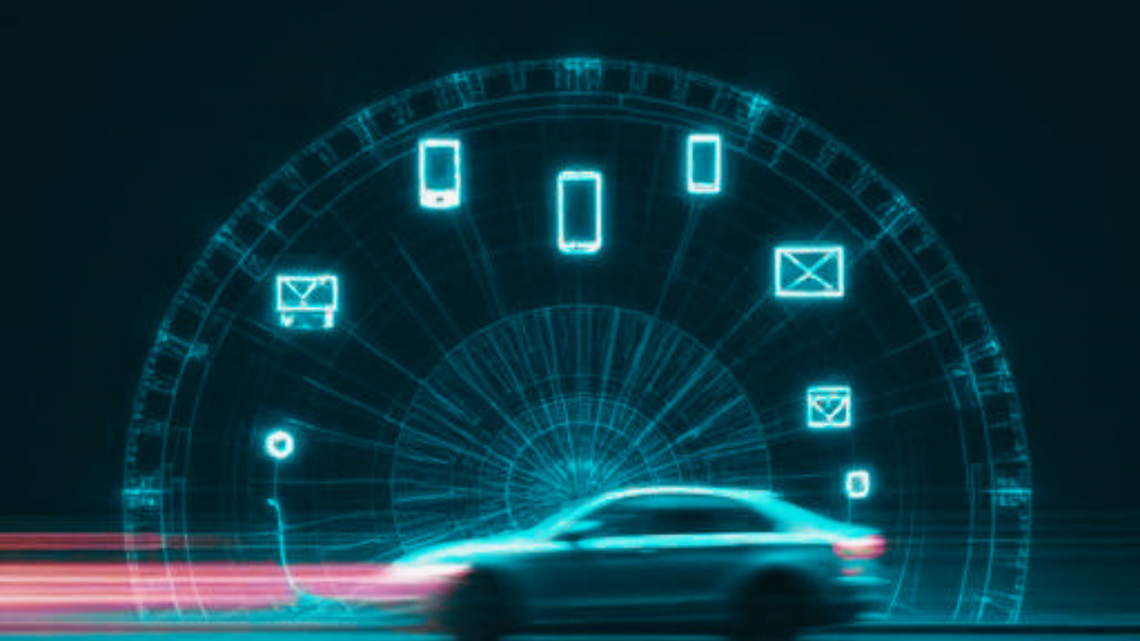
Modern vehicles are now “computers on wheels,” packed with millions of lines of software code and constant internet connectivity. Security experts speaking at RSAC 2026 warned that this connectivity creates new risks, especially as cars increasingly connect to mobile apps, cloud services, and even drive themselves. While automakers have improved security since the infamous 2015 Jeep hacking incident, attackers now have far more opportunities due to:
- Wireless vehicle features
- Over‑the‑air software updates
- Third‑party apps and suppliers
For drivers, this means cybersecurity failures could eventually affect vehicle safety, privacy, or availability, not just data.
Source: Automotive Cybersecurity Threats Grow in Era of Connected, Autonomous Vehicles
AI Is Making Attacks Faster
Artificial intelligence is dramatically speeding up cyberattacks, allowing criminals to:
- Generate convincing phishing emails
- Create deepfake voices and messages
- Automate large‑scale credential theft
However, experts stress that identity theft remains the weakest link. Attackers still rely heavily on stolen usernames and passwords to gain access. AI just helps them do it at scale. In practice, this means everyday users are more likely to encounter highly realistic scam messages that look legitimate, sound human, and arrive faster than ever.
Source: AI Speeds Attacks, But Identity Remains Cybersecurity’s Weakest Link
A Major AI Data Leak Shows Security Gaps Aren’t Just Theoretical
Even advanced technology companies are not immune. In March 2026, AI company Anthropic confirmed that a misconfigured internal system accidentally exposed nearly 3,000 unpublished files, including draft information about its most powerful AI model yet, known as Claude Mythos.
While the company said no customer systems were compromised, the incident highlights a critical lesson:
Human error remains a major cybersecurity risk, even in organizations building cutting‑edge AI. For users, these leaks increase the risk of:
- Stolen personal or corporate data
- More powerful AI‑assisted scams
- Faster exploitation of software weaknesses
Governments Are Responding, But Risk Remains
Recognizing the growing threat, the U.S. Department of Energy has unveiled its first‑ever five‑year cybersecurity plan to protect the nation’s energy grid. The strategy focuses on:
- Strengthening defenses for power systems
- Improving incident response
- Using automation and AI carefully
Officials acknowledge that energy disruptions caused by cyber incidents could impact homes, hospitals, businesses, and entire regions. While this plan improves national resilience, experts note that many smaller utilities still lack resources, meaning outages and disruptions remain a real concern for the public.
Source: DOE Unveils First-Ever 5-Year Cybersecurity Plan for U.S. Energy Grid
Why This Matters & What Users Should Do
Cybersecurity is no longer an abstract IT problem. These developments affect:
- Drivers whose vehicles rely on software and connectivity
- Consumers targeted by AI‑powered scams
- Employees whose stolen credentials open doors for attackers
- Families who depend on reliable power and digital services
As attacks become faster and more convincing, individual behavior plays a larger role than ever in staying safe. Everyday users don’t need advanced technical skills … just consistent habits:
Protect Your Identity
- Use unique passwords for every account
- Enable multi‑factor authentication (MFA) wherever possible
- Consider a reputable password manager
Be Skeptical of Messages
- Slow down before clicking links or downloading files
- Watch for urgency, fear, or pressure. These are common scam tactics
- Verify unexpected requests through a second channel
Secure Your Devices
- Keep phones, computers, and vehicles updated
- Install updates promptly as these often fix security holes
- Review app permissions regularly
Stay Informed, Not Afraid
- Follow credible cybersecurity news
- Understand that most attacks succeed due to simple mistakes, not advanced hacking

You May Also Like